

The Boston Architectural Academy for Space Exploration (BAASE) is a project exploring the possibilities for the future of architecture and architectural education. Set in 2045, the project imagines a future where humanity is actively colonizing other planets, and as such, there is a demand for extraterrestrial architecture. Students at the BAASE learn to design structures for inhospitable environments, whether that be Antarctica or the Bradbury Landing site on Mars.
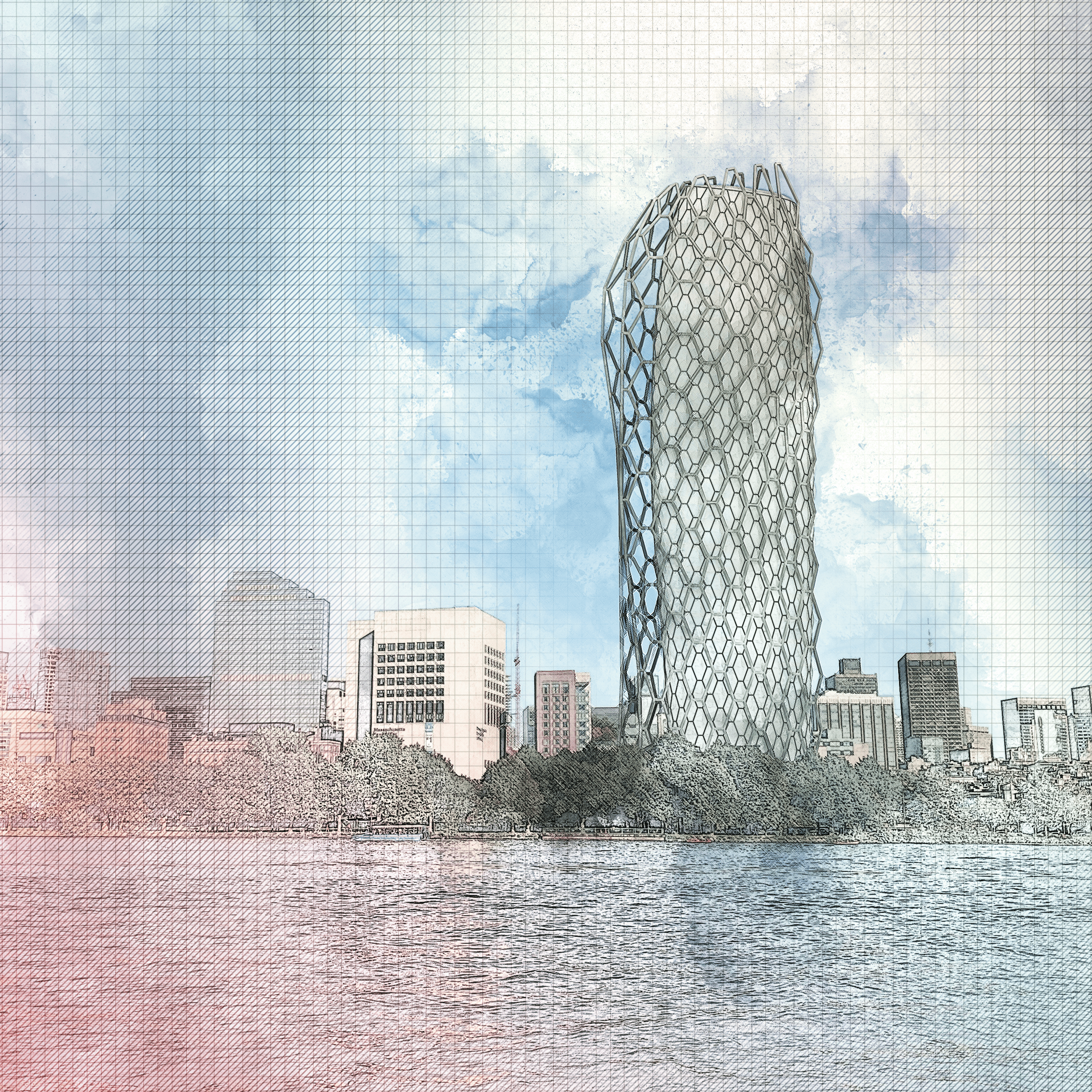
From the Charles River, the futuristic BAASE tower would dominate the skyline.
The hands-on learning environment we envisioned for the BAASE required specialized spaces for fabrication and testing of proposed designs. Chief among these were a neutral buoyancy pool, a drop chamber to simulate zero gravity, an elaborate simulation room, and of course, an extensive fabrication lab. The unusual requirements of these spaces helped to drive our design and informed many of our decisions.
plans and diagrams
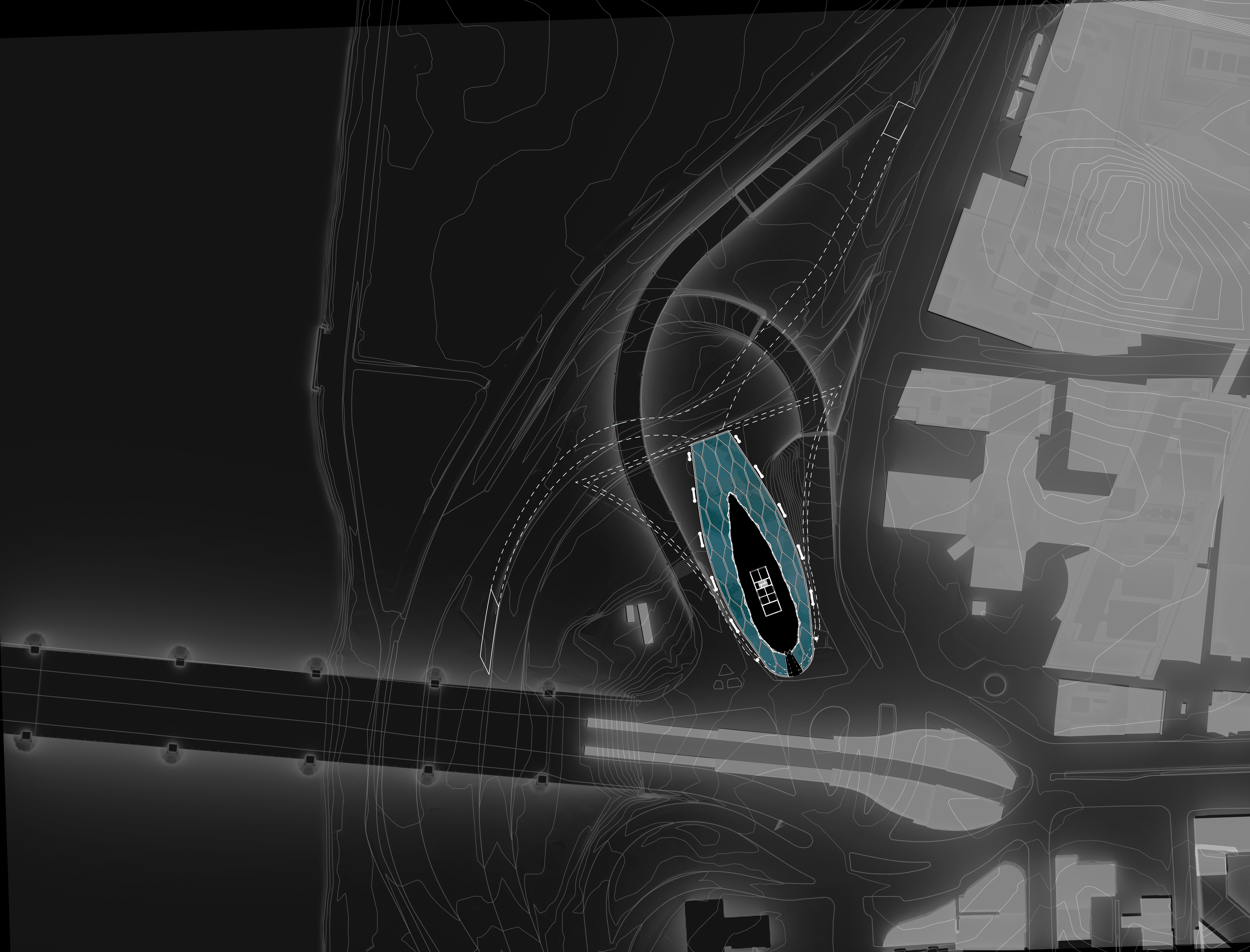
site plan
Located on the banks of the Charles River, the site itself imposed many constraints on our design. The roadways connecting to the adjacent Longfellow bridge could not be moved and thus had to be designed around, severely limiting the available space.
floor plans

Floor 2
Lobby and Cafe
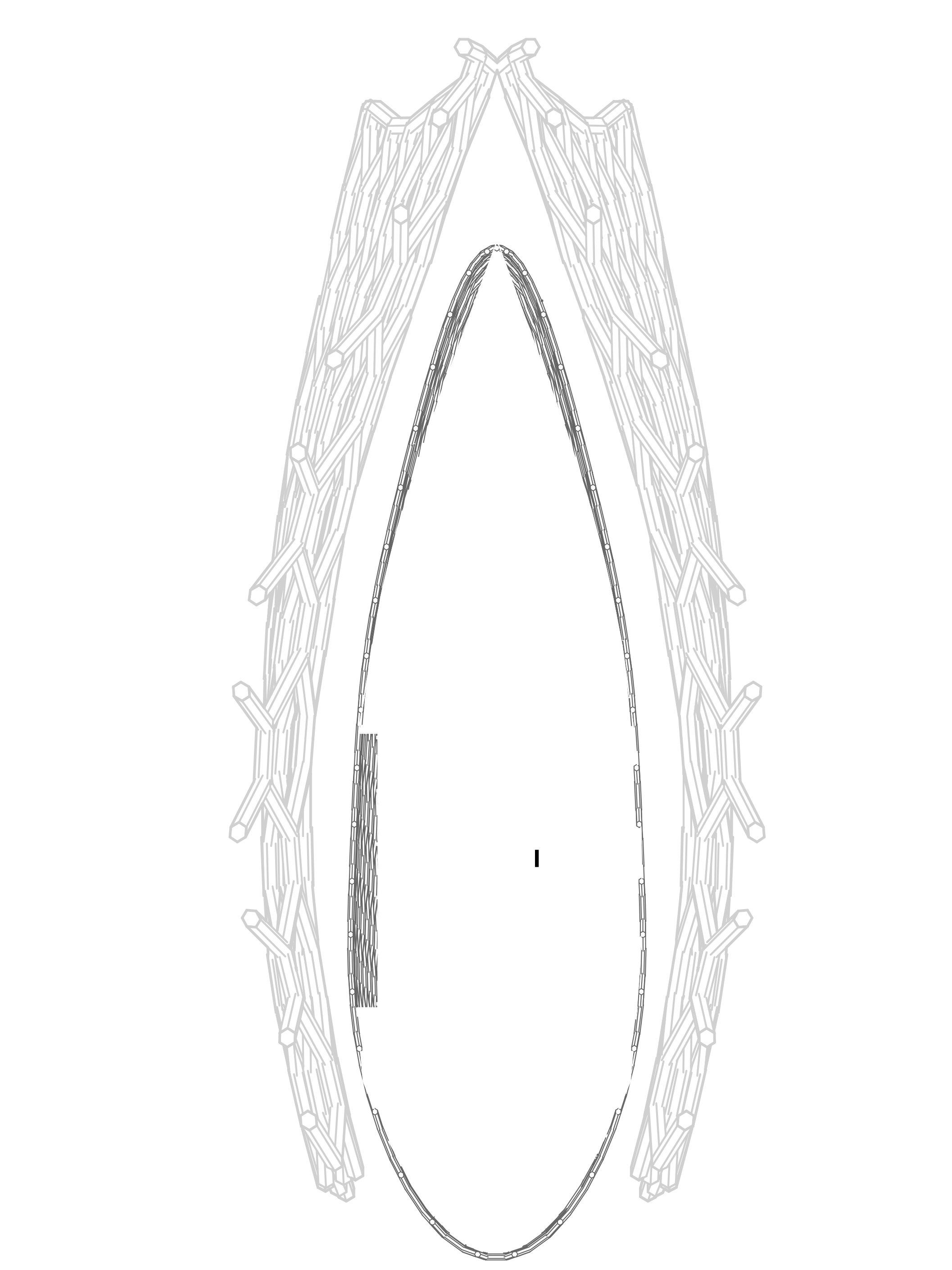
Floors 7-11, 21-22
Studio Spaces
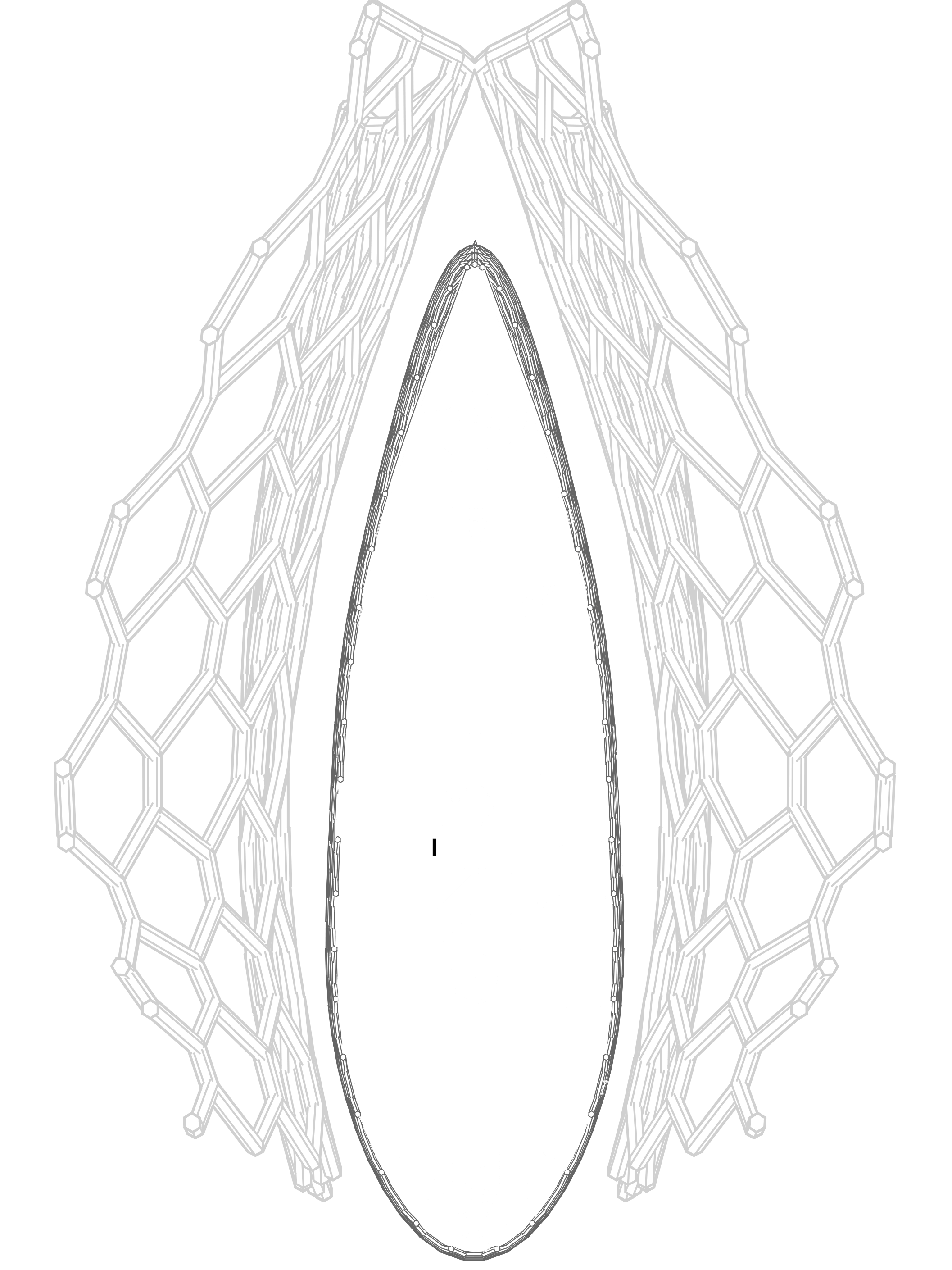
Floors 14-15
Gallery
Floor 22
Cafe and Drop Chamber
One of the driving forces behind our design was the need for specialized testing spaces. Primary among these was a “drop chamber,” a vertical cylinder several hundred feet in height used to simulate low and zero gravity environments. This chamber, accessed on the highest floor of the building, dictated the height of the rest of our design. The other fabrication and testing spaces were placed in the lowest levels of the building due to the weight of the machinery (and water!) involved.
diagrams
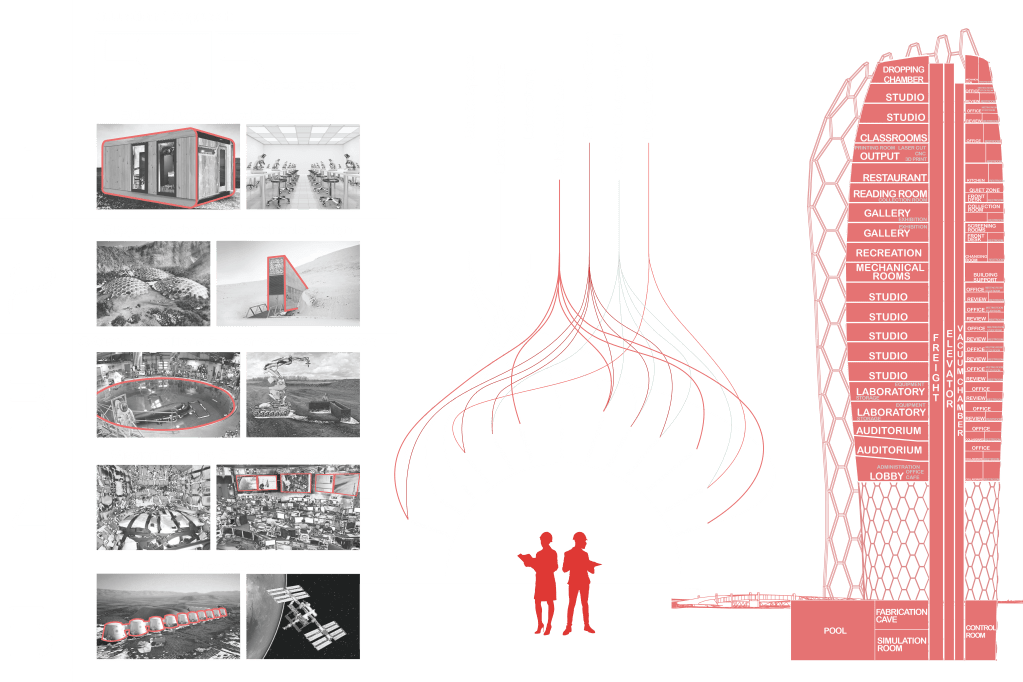
Above: Educational approach and spatial organization diagrams
Below: Structural development diagrams
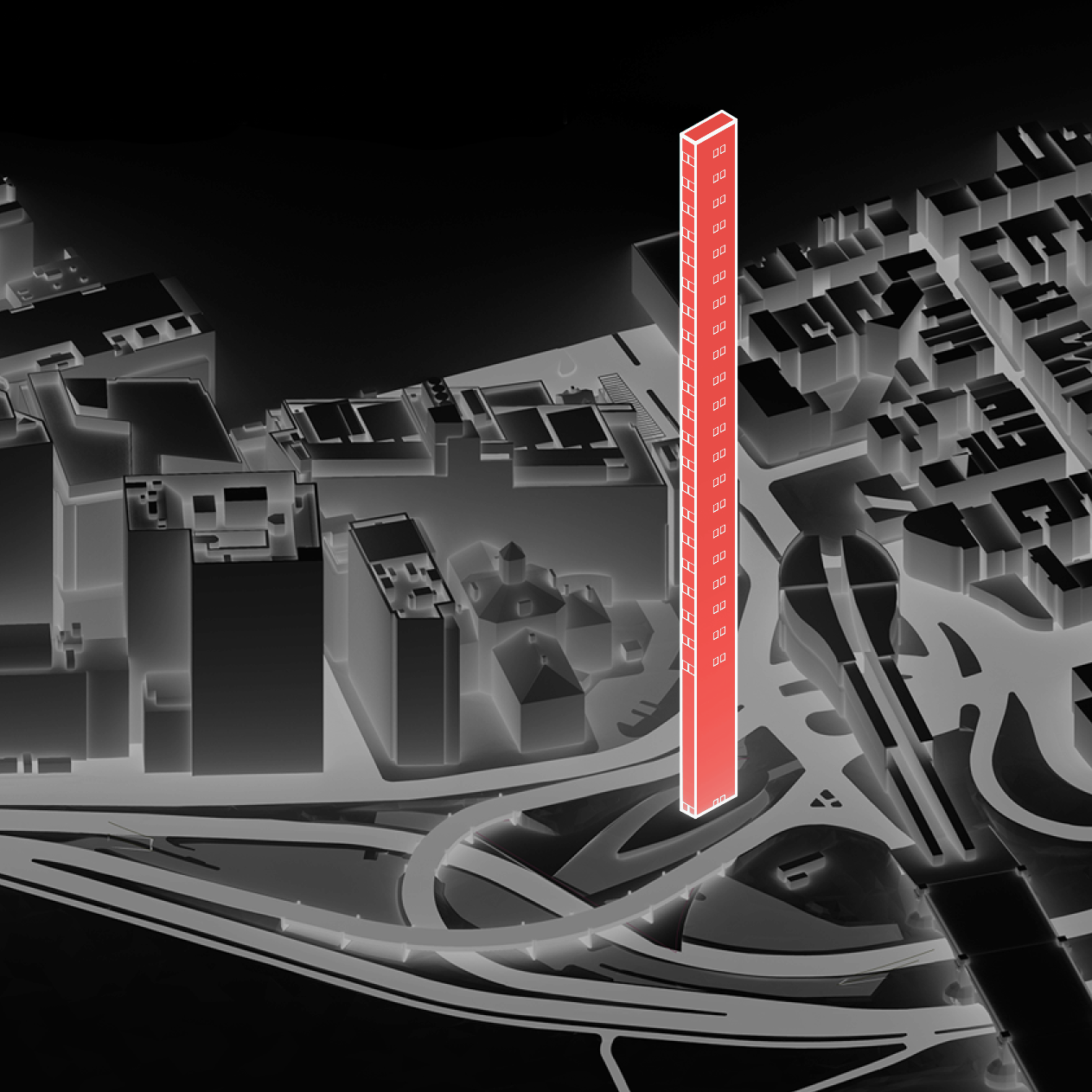
Drop Chamber and Vertical Circulation
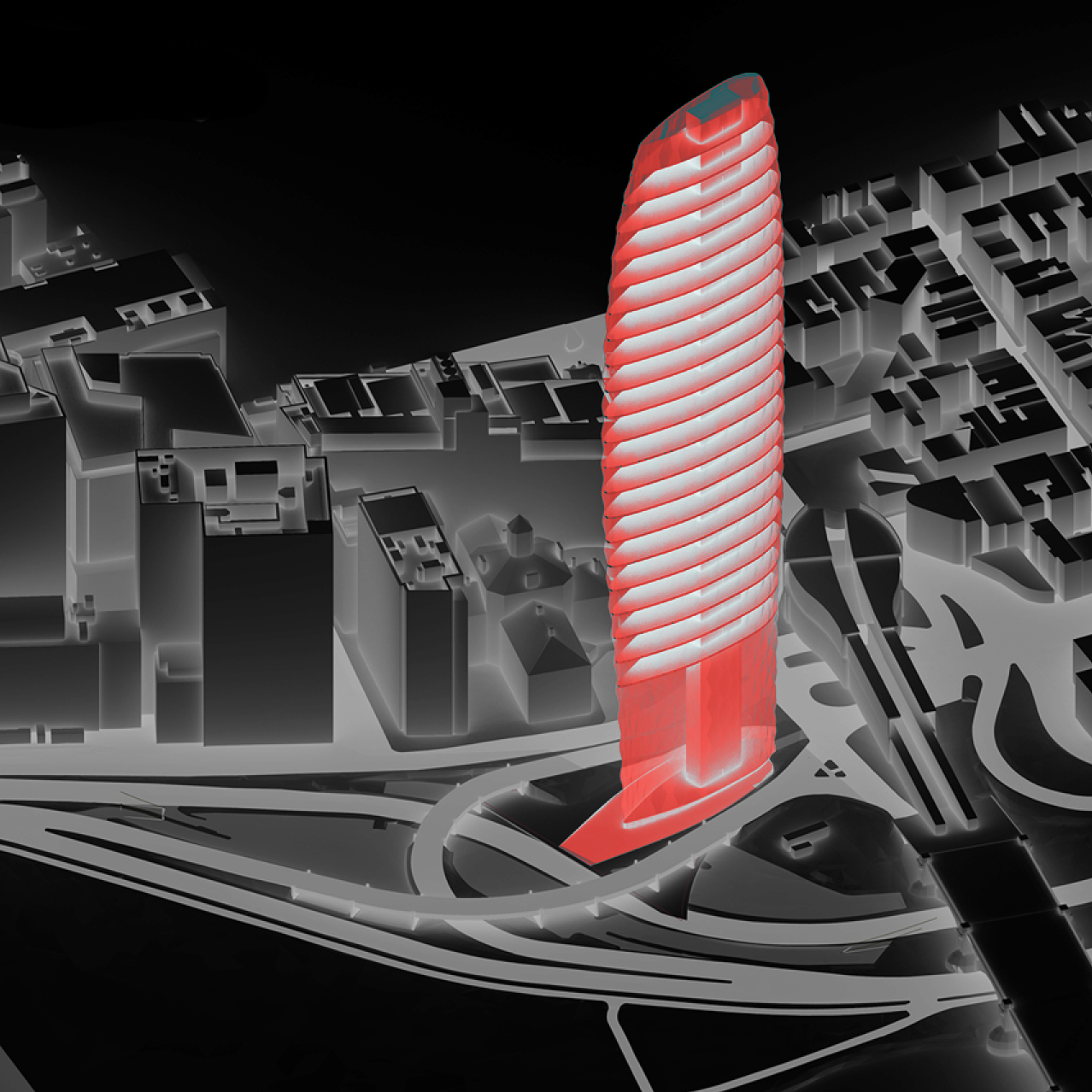
Transparent ETFE Cladding
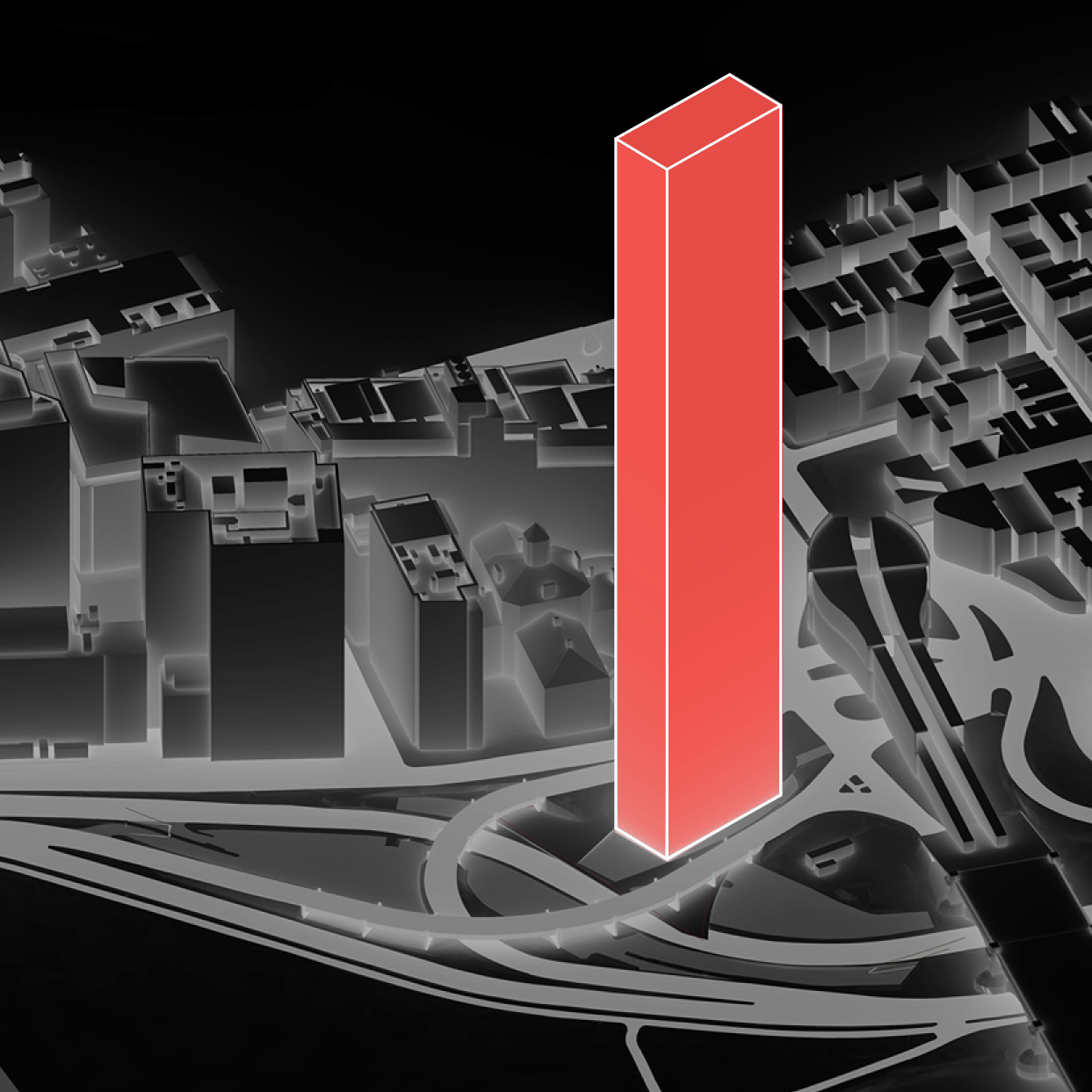
Enclosure and Extrusion
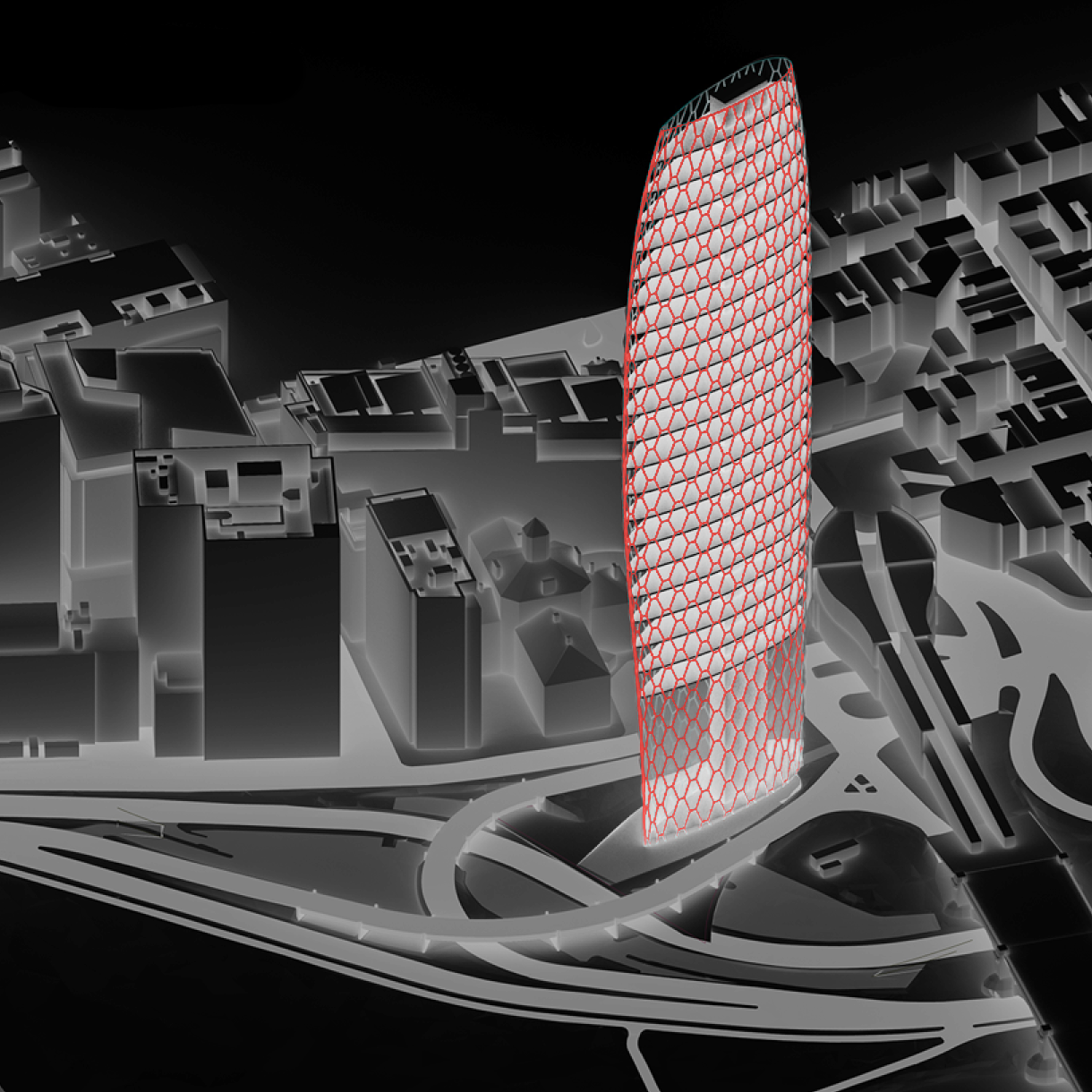
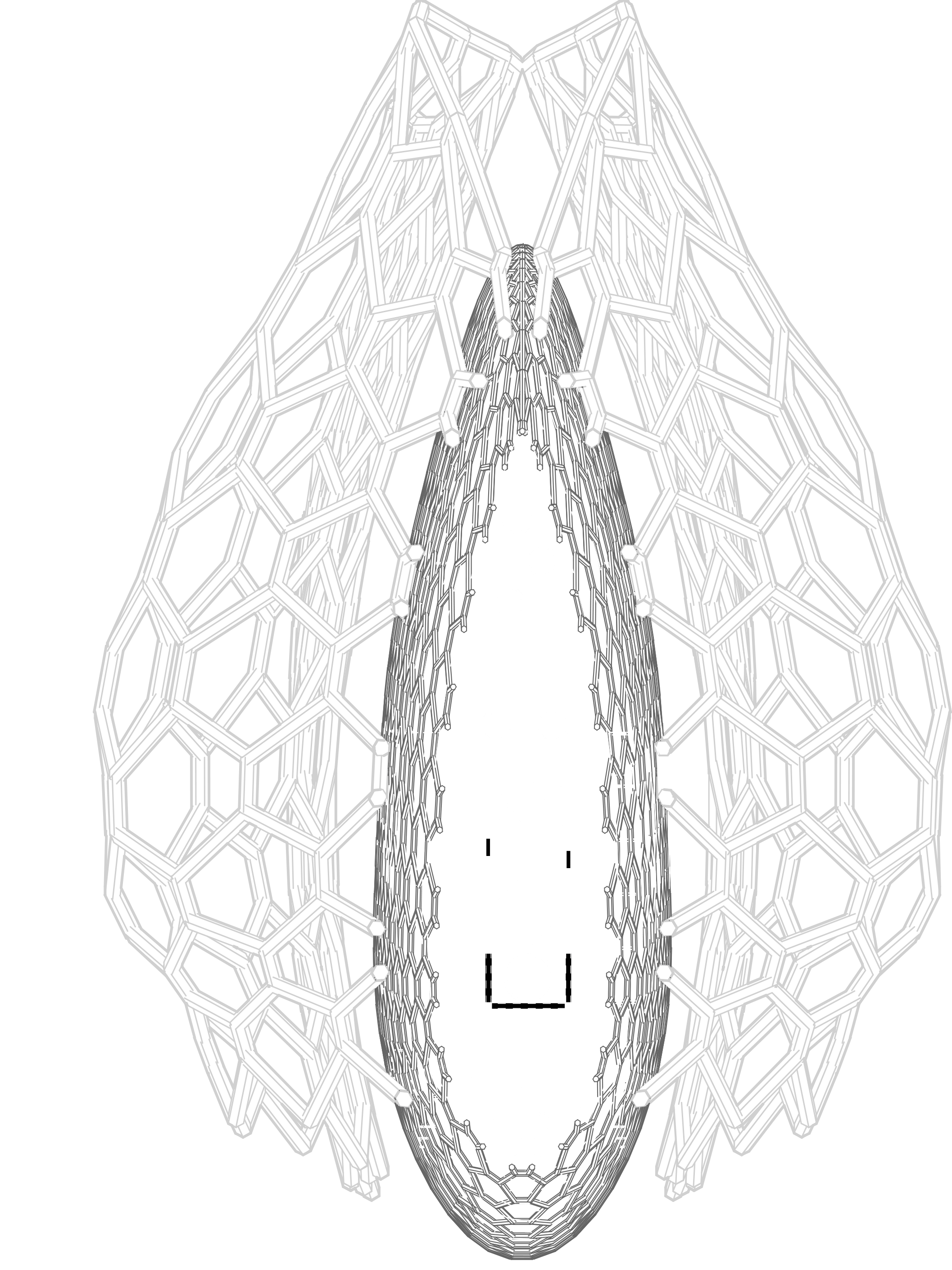
Primary Diagrid Structure
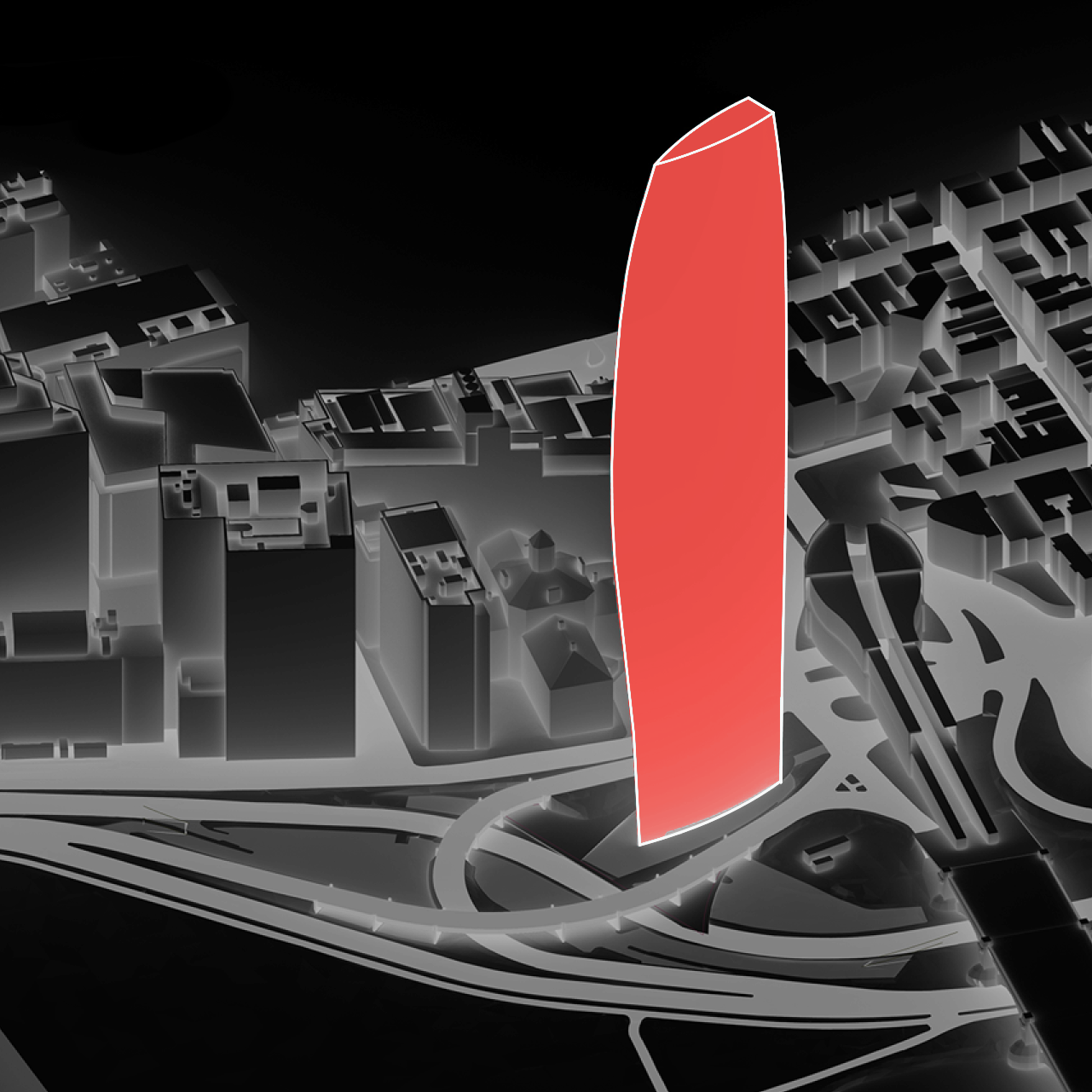
Aerodynamic Shape
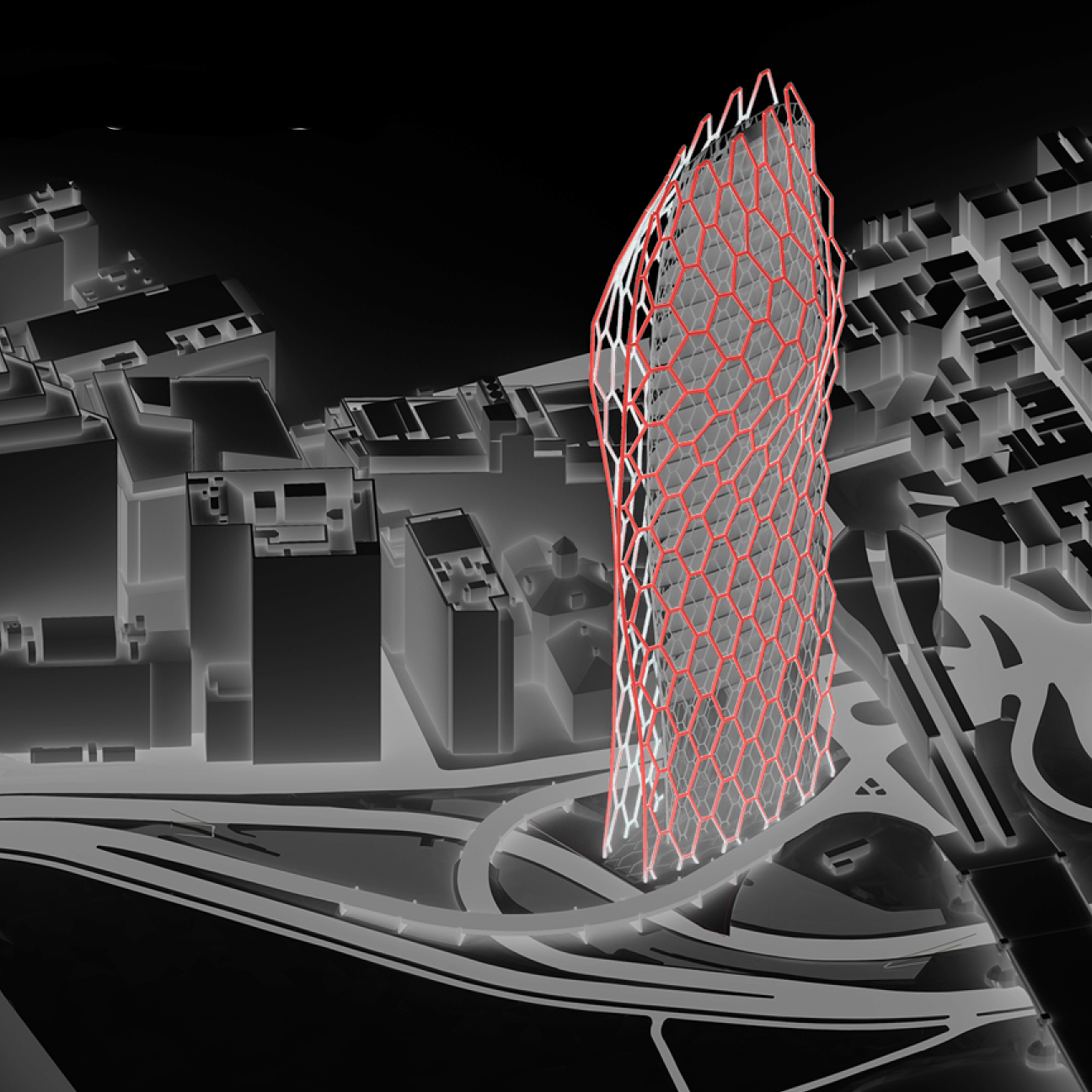
Secondary Diagrid Structure
The exterior design of the BAASE tower intentionally uses materials and strategies common in space exploration. ETFE is commonly used due to its high tensile strength and light weight. Diagrid structures like the ones characterizing our facade are highly supportive while using a minimum of materials.
renderings
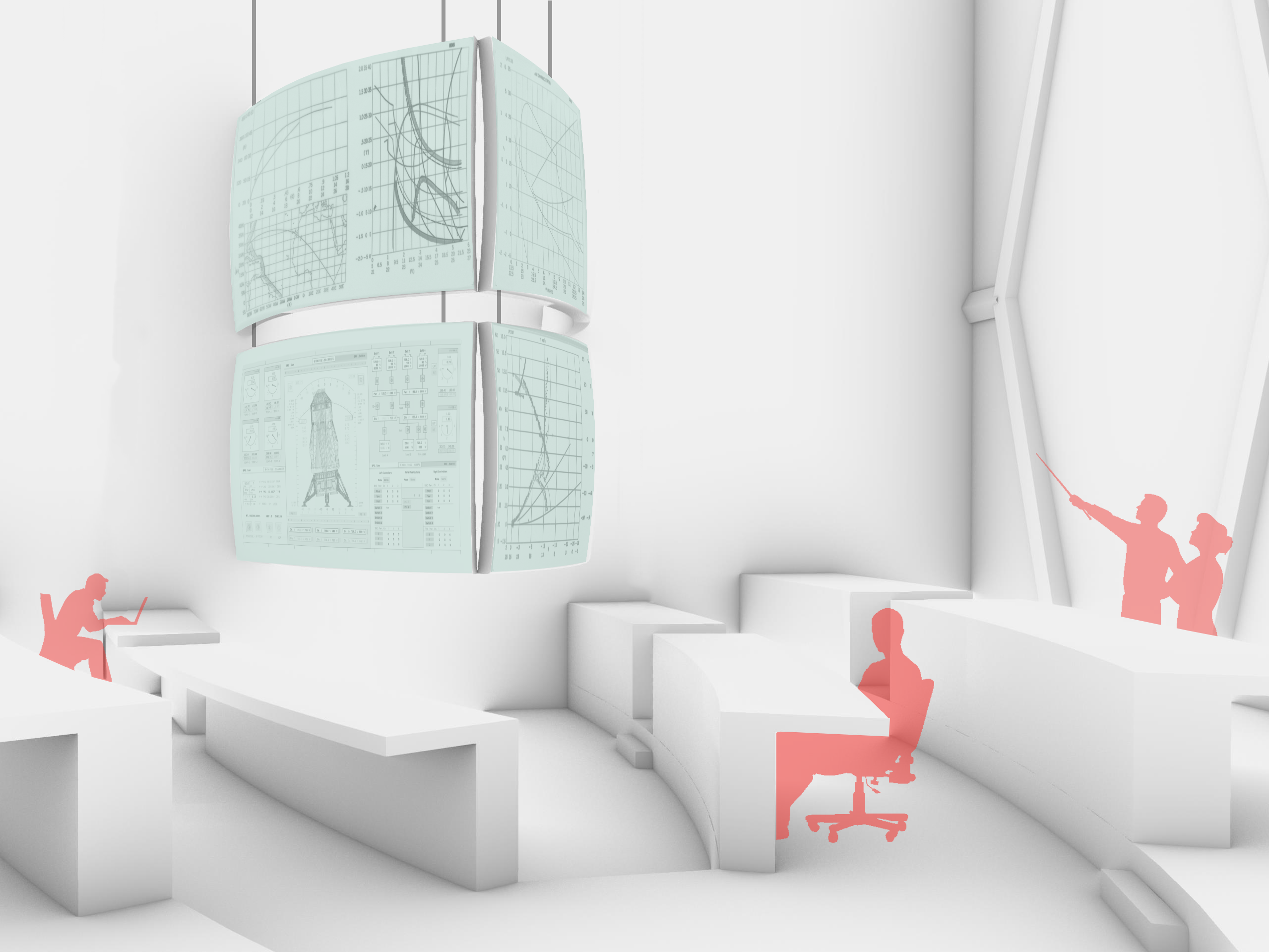
The Command Room is a high-tech space which functions both as a classroom and as a control space for the testing areas throughout the fabrication laboratory.
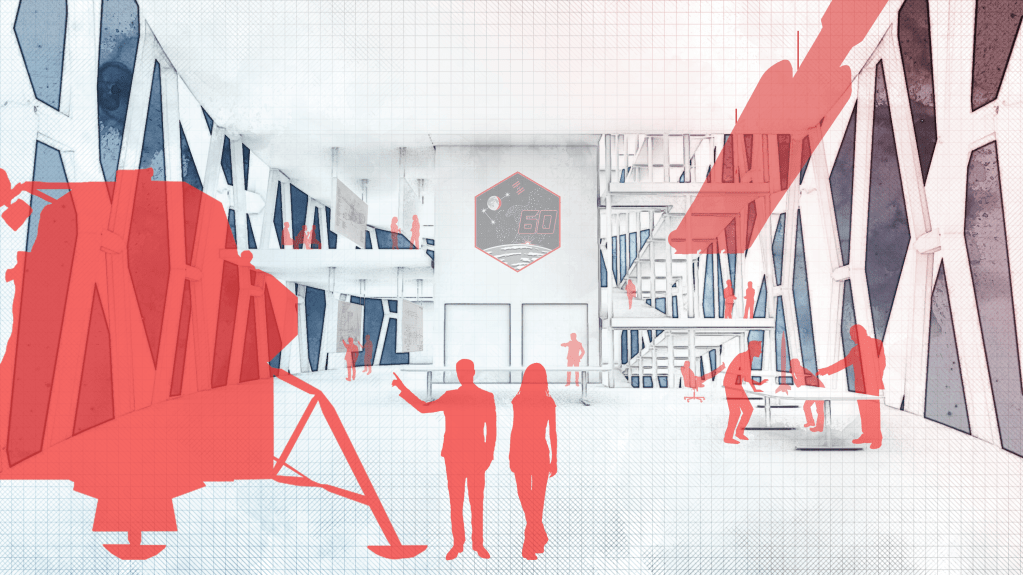
Studio Space: Half of each floor was a double-height space which allowed for the fabrication of larger models and prototypes. A ramp connected the main floor to the sub floor to facilitate accessibility.
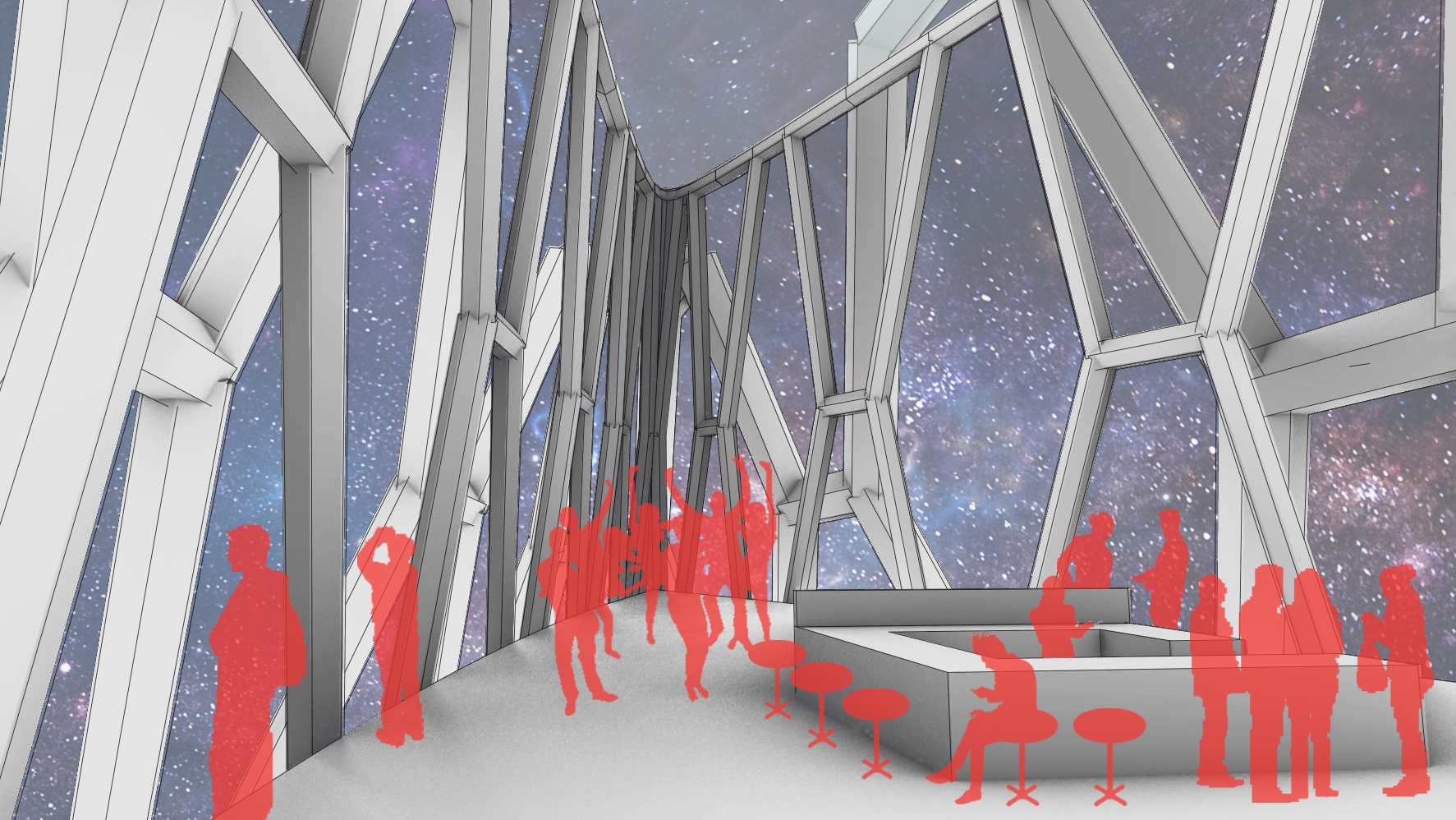
The cafe and social space on the top floor provides views of Boston, the Charles River, and of the operation of the drop chamber
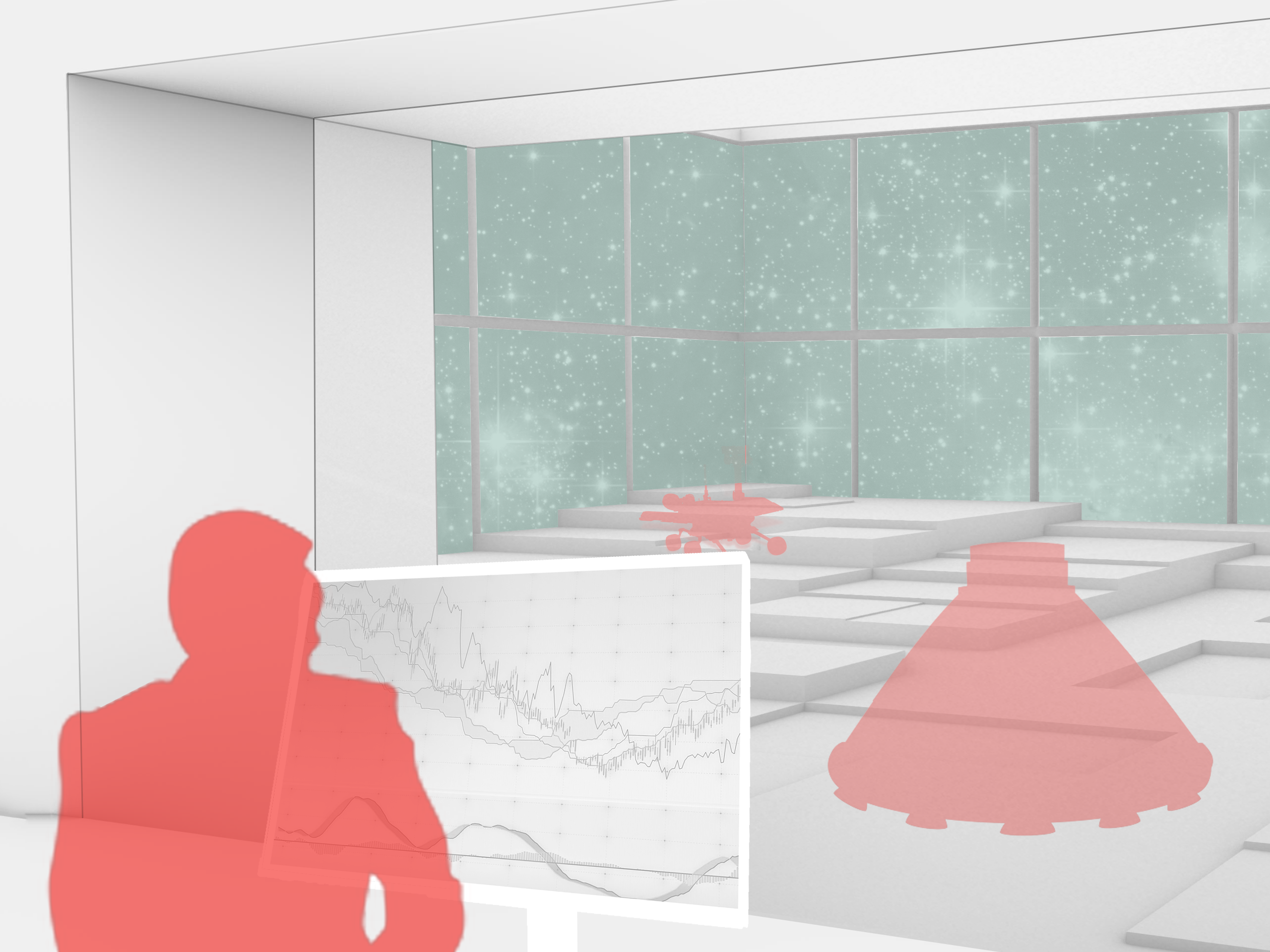
The control room is a space with operable panels in the walls and floor which allows prototypes to be tested in a variety of environments.
Isometric section
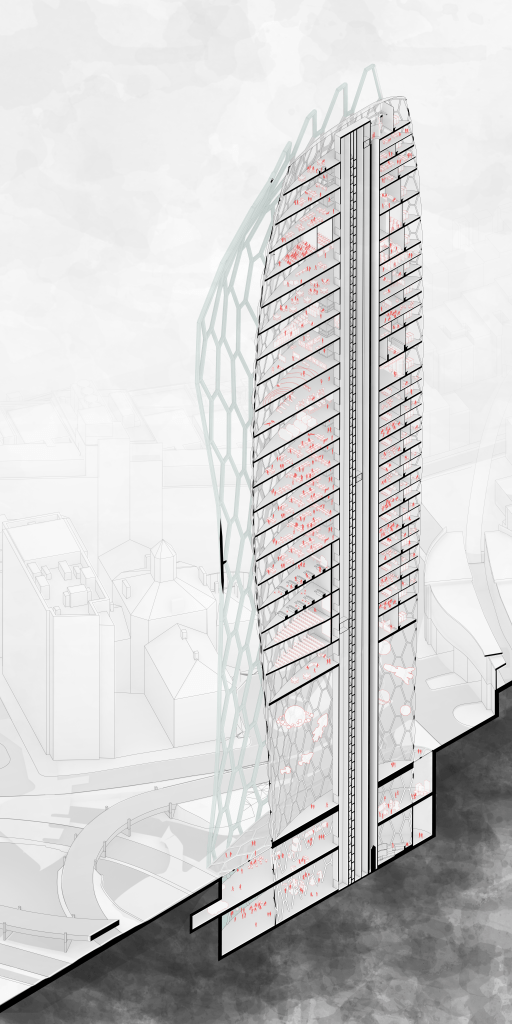
This isometric section was my favorite drawing produced as part of this project. The original base image was produced in Rhino, while the final piece was created using a combination of Adobe Illustrator and Adobe Photoshop.
Throughout this project, digital modeling was done by Casey White, while I focused on producing drawings and images using the line work he provided.
 MaryCate Azelborn
Leave a comment